

What is the recommended tire pressure when using a new Acura Strut Assembly?
Jul 08, 2025
Leave a message
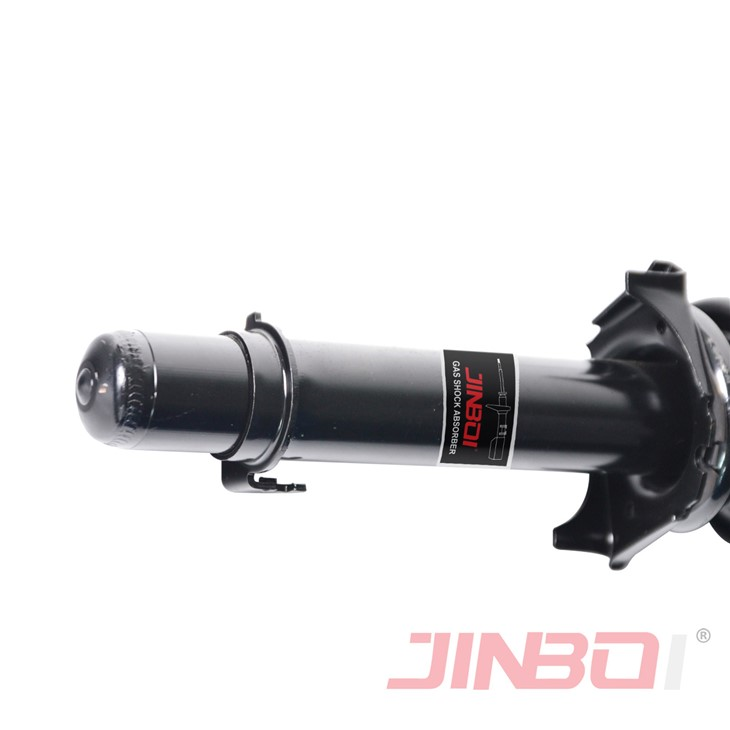
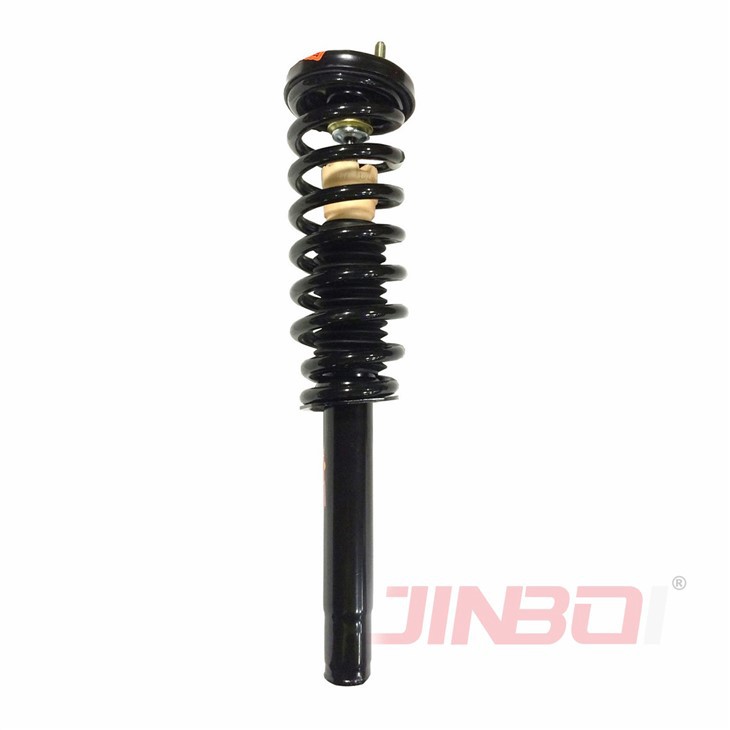
Hey there, fellow car enthusiasts! I'm part of a team that supplies Acura Strut Assemblies, and I often get asked about the recommended tire pressure when using a new Acura Strut Assembly. So, I thought I'd share some insights on this topic.
First off, let's understand why tire pressure matters. Your tires are the only part of your car that touches the road. The right tire pressure ensures optimal performance, safety, and longevity of your tires. When you install a new Acura Strut Assembly, it can affect the way your car rides and handles. And tire pressure plays a crucial role in how well the strut assembly works with your tires.
Now, the recommended tire pressure for an Acura with a new strut assembly isn't a one - size - fits - all answer. It depends on several factors, like the model of your Acura, the type of tires you have, and your driving style.
Let's talk about different Acura models. For example, if you're using Acura Tl Struts, the tire pressure requirements might be different from other Acura models. The Acura TL is a mid - size luxury sedan, and it's designed to offer a smooth and comfortable ride. When you install new struts on your Acura TL, you want to make sure your tires are properly inflated to get the most out of the new strut assembly.
The owner's manual of your Acura is your best friend when it comes to finding the recommended tire pressure. It usually has a sticker inside the driver's door jamb or in the glove compartment that lists the correct tire pressure for your specific model and tire size. This information is based on the manufacturer's testing and research to ensure the best performance and safety of your vehicle.
But what if you have a specific year model, like the 2005 Acura Tl Struts? Well, the 2005 Acura TL has its own set of requirements. Back in 2005, Acura engineered the TL with certain performance and safety standards in mind. The recommended tire pressure for this model is likely to be different from newer models due to differences in design, weight distribution, and tire technology.
Let's also consider the type of tires you have. There are different types of tires, such as all - season, summer, and winter tires. Each type has its own optimal tire pressure range. All - season tires are designed to perform well in a variety of conditions, and they usually have a recommended pressure that balances traction, handling, and fuel efficiency. Summer tires, on the other hand, are designed for high - performance driving in warm weather. They might require a slightly higher tire pressure to provide better cornering and braking performance. Winter tires are made to grip the road in cold and snowy conditions, and they often have a lower recommended pressure to increase the tire's contact area with the road.
Your driving style can also impact the recommended tire pressure. If you're an aggressive driver who likes to take corners at high speeds and accelerate quickly, you might want to consider increasing the tire pressure slightly. Higher tire pressure can provide better handling and responsiveness. However, if you're a more conservative driver who focuses on a smooth and comfortable ride, you can stick to the recommended pressure in the owner's manual.
Another important thing to note is that tire pressure changes with temperature. As the temperature drops, the air inside your tires contracts, and the tire pressure decreases. Conversely, when the temperature rises, the air expands, and the tire pressure increases. It's a good idea to check your tire pressure regularly, especially during seasonal changes. You can use a tire pressure gauge to measure the pressure in each tire. Make sure to check the pressure when the tires are cold, as driving can heat up the tires and cause the pressure to increase temporarily.
When you install a new Acura Strut Assembly, it's a good time to also check and adjust your tire pressure. A new strut assembly can change the way your car sits on the road and how the weight is distributed among the tires. By ensuring the correct tire pressure, you can help the new strut assembly work more effectively and improve the overall performance of your Acura.
Now, let's talk about the benefits of maintaining the correct tire pressure when using a new Acura Strut Assembly. First of all, it improves safety. Properly inflated tires provide better traction, which means your car can stop more quickly and handle better in various driving conditions. This is especially important when you're driving on wet or slippery roads.
Secondly, it enhances fuel efficiency. When your tires are under - inflated, they create more rolling resistance, which means your engine has to work harder to move the car. This results in lower fuel economy. By keeping your tires at the recommended pressure, you can save money on gas in the long run.
Thirdly, it extends the life of your tires. Under - inflated tires wear out more quickly on the edges, while over - inflated tires wear out in the center. By maintaining the correct tire pressure, you can ensure even tire wear and get more miles out of your tires.
So, to sum it up, when using a new Acura Strut Assembly, the recommended tire pressure depends on your Acura model, tire type, and driving style. Always refer to your owner's manual for the most accurate information. And remember to check your tire pressure regularly, especially during temperature changes.
If you're in the market for high - quality Acura Strut Assemblies, we're here to help. We're a trusted supplier of Acura Strut Assemblies, and we offer a wide range of products to fit different Acura models. Whether you need Acura Tl Struts or 2005 Acura Tl Struts, we've got you covered. If you have any questions or want to discuss your specific needs, feel free to reach out. We're always happy to help you find the right strut assembly for your Acura and ensure you get the best performance from your vehicle.
References:
- Acura Owner's Manuals
- Tire Manufacturer's Guidelines