

What is the load - bearing capacity of Ram Struts?
Jun 18, 2025
Leave a message
As a trusted supplier of Ram Struts, I am often asked about the load - bearing capacity of these essential components. In this blog, I'll delve into what load - bearing capacity means for Ram Struts, the factors that influence it, and why it's crucial to understand this concept when choosing the right struts for your needs.
Understanding Load - Bearing Capacity
Load - bearing capacity refers to the maximum amount of weight or force that a Ram Strut can safely support without experiencing failure or significant deformation. This capacity is a critical specification as it determines the strut's suitability for different applications. Whether it's in automotive, industrial machinery, or aerospace, the load - bearing capacity of a Ram Strut must match the requirements of the system it's a part of.
In automotive applications, for example, the load - bearing capacity of Ram Struts affects the vehicle's handling, stability, and overall safety. If the struts are unable to support the weight of the vehicle and its occupants, it can lead to premature wear, reduced ride quality, and even dangerous driving conditions.
Factors Influencing Load - Bearing Capacity
Material Quality
The material used in the construction of Ram Struts plays a significant role in determining their load - bearing capacity. High - strength materials such as steel alloys are commonly used due to their excellent mechanical properties. These materials can withstand high levels of stress and strain without breaking or deforming. For instance, a Ram Strut made from a high - grade steel alloy can support a much heavier load compared to one made from a lower - quality material.
Design and Geometry
The design and geometry of a Ram Strut also have a major impact on its load - bearing capacity. Struts with a larger cross - sectional area can generally support more weight as they distribute the load over a greater surface area. Additionally, the shape of the strut, such as its length, diameter, and the presence of any reinforcements, can affect how it responds to different types of loads. For example, a shorter and thicker strut may be more suitable for applications that require high vertical load - bearing capacity, while a longer and more slender strut may be better for applications where lateral support is crucial.
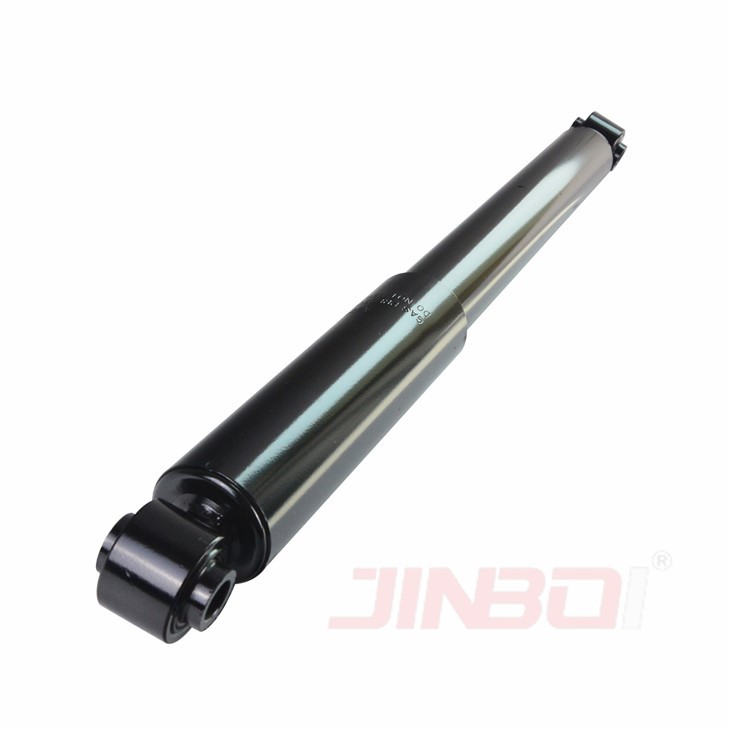
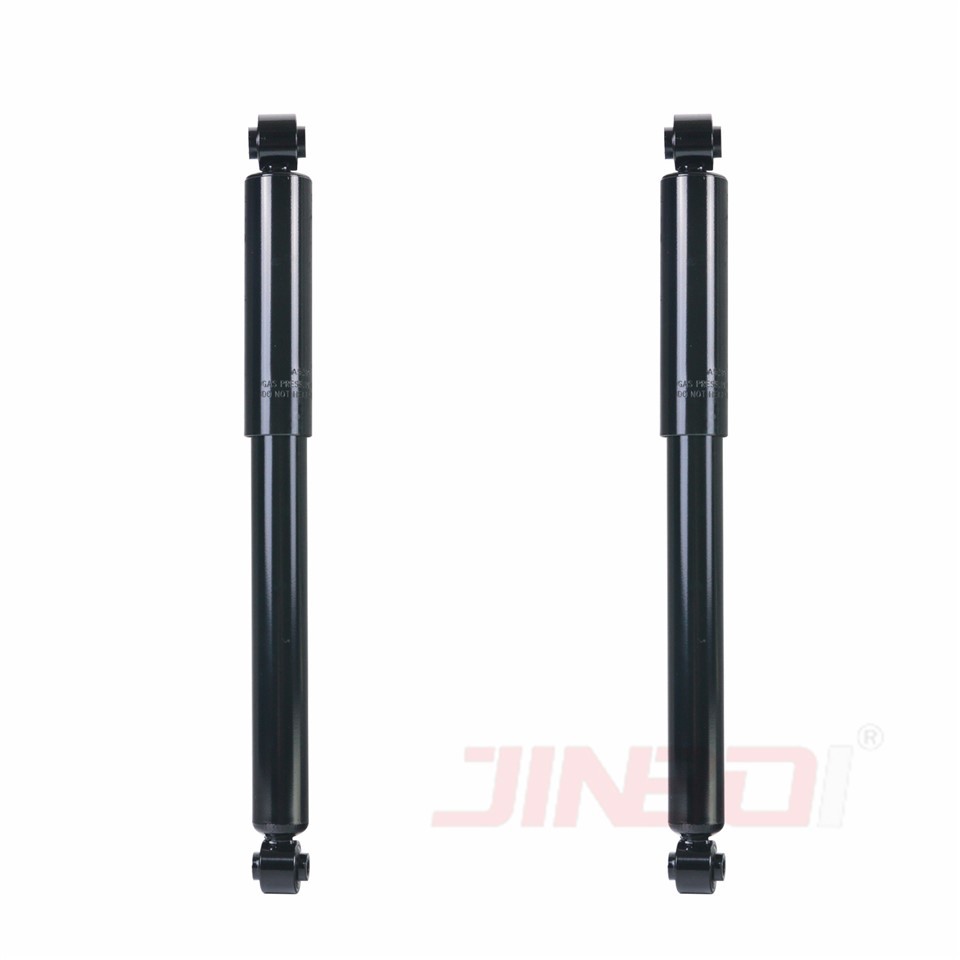
Manufacturing Process
The manufacturing process used to produce Ram Struts can influence their load - bearing capacity. Precision manufacturing techniques ensure that the struts are produced to exact specifications, which helps to maintain their structural integrity. Processes such as heat treatment can also enhance the strength and durability of the struts, increasing their load - bearing capacity. For example, proper heat treatment can improve the hardness and toughness of the steel, making it more resistant to wear and fatigue.
Determining the Load - Bearing Capacity for Different Applications
Automotive Applications
In the automotive industry, the load - bearing capacity of Ram Struts is determined by several factors, including the weight of the vehicle, the type of suspension system, and the intended use of the vehicle. For a small passenger car, the load - bearing capacity requirements are generally lower compared to a larger SUV or a commercial vehicle. The struts need to support the weight of the vehicle body, the engine, and any passengers or cargo. Additionally, they must be able to handle the dynamic loads generated during acceleration, braking, and cornering.
If you're looking for high - quality Rear Electric Shock Absorber or Front Electric Shock Absorber for your automotive application, our Ram Struts are designed to meet the specific load - bearing requirements of different vehicles.
Industrial Applications
In industrial machinery, the load - bearing capacity of Ram Struts is critical for ensuring the safe and efficient operation of the equipment. For example, in a hydraulic press, the struts need to support the high forces generated during the pressing process. The load - bearing capacity requirements are determined by the size and type of the press, as well as the maximum pressure it can generate. In conveyor systems, the struts are used to support the weight of the conveyor belt and the materials being transported. The load - bearing capacity must be sufficient to prevent sagging or deformation of the conveyor structure.
Aerospace Applications
In the aerospace industry, Ram Struts are used in various components of an aircraft, such as the landing gear and the wing structure. The load - bearing capacity requirements in aerospace applications are extremely high due to the extreme conditions that the struts must endure. For example, during takeoff and landing, the landing gear struts need to support the entire weight of the aircraft, as well as the forces generated by the impact with the runway. The struts must also be able to withstand high levels of vibration and stress during flight.
Importance of Choosing the Right Load - Bearing Capacity
Selecting Ram Struts with the appropriate load - bearing capacity is crucial for several reasons. Firstly, it ensures the safety and reliability of the system. If the struts are overloaded, they may fail, leading to serious accidents or equipment damage. Secondly, choosing the right load - bearing capacity can improve the performance of the system. For example, in an automotive application, properly sized struts can enhance the vehicle's handling and ride quality. Thirdly, it can help to reduce maintenance costs. Struts that are not overloaded are less likely to experience premature wear and tear, which means they will last longer and require less frequent replacement.
How We Can Help
As a leading supplier of Ram Struts, we have a wide range of products with different load - bearing capacities to meet the diverse needs of our customers. Our team of experts can assist you in selecting the right struts for your specific application. We understand the importance of load - bearing capacity and ensure that all our products are tested and certified to meet the highest quality standards.
If you're interested in learning more about our Ram Struts or need help in choosing the right load - bearing capacity for your project, we invite you to contact us. Our dedicated sales team is ready to answer your questions and discuss your procurement needs. We can provide you with detailed product information, technical specifications, and pricing options.
Conclusion
The load - bearing capacity of Ram Struts is a critical factor that determines their suitability for different applications. It is influenced by factors such as material quality, design and geometry, and the manufacturing process. By understanding these factors and choosing the right load - bearing capacity, you can ensure the safety, reliability, and performance of your system. As your trusted Ram Struts supplier, we are committed to providing you with high - quality products and excellent customer service. Contact us today to start your procurement journey and find the perfect Ram Struts for your needs.
References
- Mechanical Engineering Handbook, McGraw - Hill
- Automotive Suspension Design: Principles and Analysis, SAE International
- Aerospace Structures Design and Analysis, AIAA