

What is the best way to store a Kia Strut Assembly?
May 21, 2025
Leave a message
Hey there, folks! As a supplier of Kia Strut Assemblies, I've had my fair share of experiences when it comes to storing these important automotive parts. In this blog, I'm gonna share with you what I think is the best way to store a Kia Strut Assembly.
First off, let's talk about why proper storage is so crucial. Kia Strut Assemblies are precision - engineered components that play a vital role in the vehicle's suspension system. If they're not stored correctly, they can get damaged, which can lead to poor performance when they're eventually installed in a car. And that's not good news for anyone, whether you're a mechanic, a car owner, or like me, a supplier.
The Ideal Storage Environment
The first thing you need to consider is the storage environment. Kia Strut Assemblies should be stored in a clean, dry, and temperature - controlled area. Moisture is the enemy here. It can cause rust and corrosion on the strut components, which will degrade their quality over time. A humidity level of around 30 - 50% is ideal. You can use a dehumidifier in the storage area if the humidity tends to be on the high side.
Temperature also matters. Extreme heat or cold can affect the materials used in the strut assembly. High temperatures can cause the rubber components to deteriorate faster, while cold temperatures can make the metal more brittle. Aim for a storage temperature between 50°F and 80°F (10°C - 27°C).
Storage Position
The position in which you store the Kia Strut Assembly is also important. It's best to store them vertically. Storing them horizontally for long periods can cause the internal components to settle unevenly, which might affect their performance later. When you store them vertically, make sure they're properly supported so they don't tip over. You can use specialized racks or stands designed for strut assemblies. These racks will keep the struts upright and prevent any unnecessary stress on the components.
Protection from Dust and Debris
Dust and debris can find their way into the strut assembly and cause problems. To prevent this, you should cover the struts with protective covers. There are various types of covers available in the market, from simple plastic bags to more heavy - duty, custom - made covers. A good quality cover will not only keep dust out but also protect the strut from minor scratches and impacts.
Preventing Oxidation
Oxidation is another issue that can affect the Kia Strut Assembly. To prevent oxidation, you can apply a thin layer of a suitable anti - oxidant or corrosion inhibitor on the metal parts. This will create a barrier between the metal and the air, reducing the chances of rust formation. Make sure to follow the manufacturer's instructions when applying these products.
Inventory Management
As a supplier, I also want to touch on inventory management. Keeping track of your Kia Strut Assemblies is essential. You should have a proper inventory system in place to know when a particular strut assembly was received, how long it's been in storage, and when it's due for rotation. First - in, first - out (FIFO) is a good principle to follow. This means that the strut assemblies that were received first should be the first ones to be sold or used. This helps ensure that the products don't sit in storage for too long and maintain their quality.
Special Considerations for Different Types of Struts
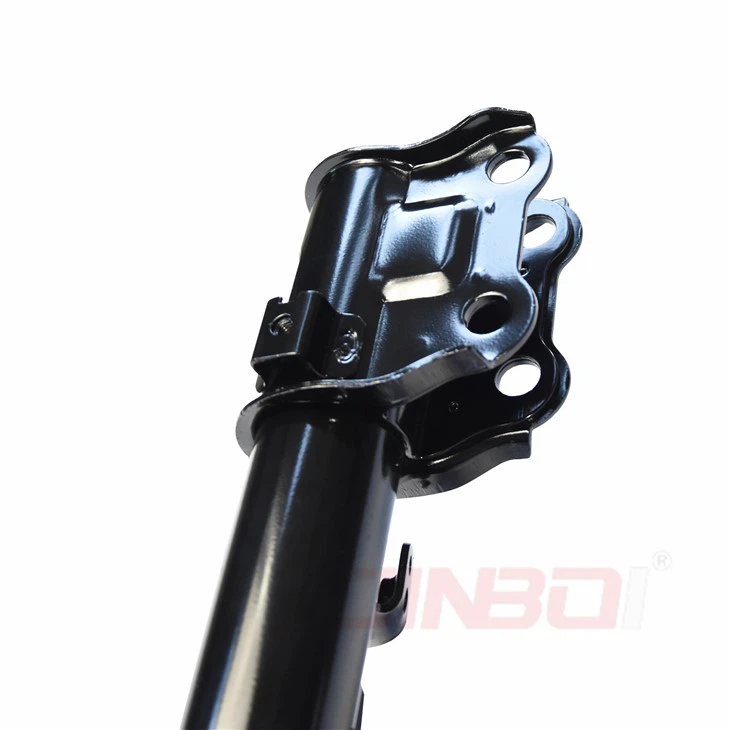
There are different types of Kia Strut Assemblies, such as the Kia Front Support Bearing Suspension Strut and the Suspension Shock Strut for Kia. Each type might have slightly different storage requirements.
For example, the front support bearing suspension strut has a bearing component that needs to be protected from any kind of misalignment or damage during storage. Make sure the bearing is properly lubricated and that the strut is stored in a way that doesn't put any extra stress on the bearing.
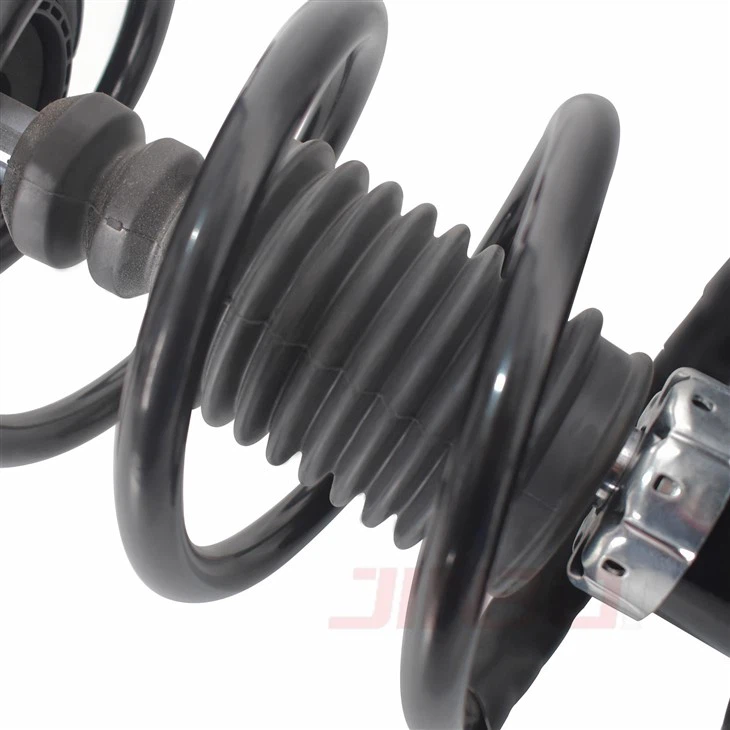
The suspension shock strut, on the other hand, has internal hydraulic components. These components are sensitive to temperature and pressure changes. So, when storing suspension shock struts, you need to be extra careful about the storage temperature and avoid any sudden impacts or vibrations.
Regular Inspections
Even if you're following all the best storage practices, it's still a good idea to conduct regular inspections of your Kia Strut Assemblies. Check for any signs of damage, rust, or other issues. If you notice any problems, address them immediately. You might need to clean the strut, re - apply the anti - oxidant, or even replace a damaged component.
Handling During Storage
When moving the Kia Strut Assemblies around in the storage area, handle them with care. Avoid dropping or hitting them against hard surfaces. Use proper lifting equipment if the struts are heavy. Mishandling can cause internal damage that might not be visible at first but can lead to problems down the road.
Final Thoughts
In conclusion, the best way to store a Kia Strut Assembly involves creating an ideal storage environment, paying attention to the storage position, protecting the strut from dust and debris, preventing oxidation, managing your inventory, and being aware of the special requirements of different types of struts. By following these guidelines, you can ensure that your Kia Strut Assemblies stay in top - notch condition until they're ready to be installed in a vehicle.
If you're in the market for high - quality Kia Strut Assemblies or have any questions about storage or our products, don't hesitate to reach out and start a procurement discussion. I'm always here to help you get the best products for your needs.
References
- Automotive Parts Storage Guidelines - General industry knowledge
- Kia Strut Assembly Manufacturer's Manuals